Roofing Workers' Comp in Texas: Rates, Class Codes, and Finding Coverage
By Josh Cotner
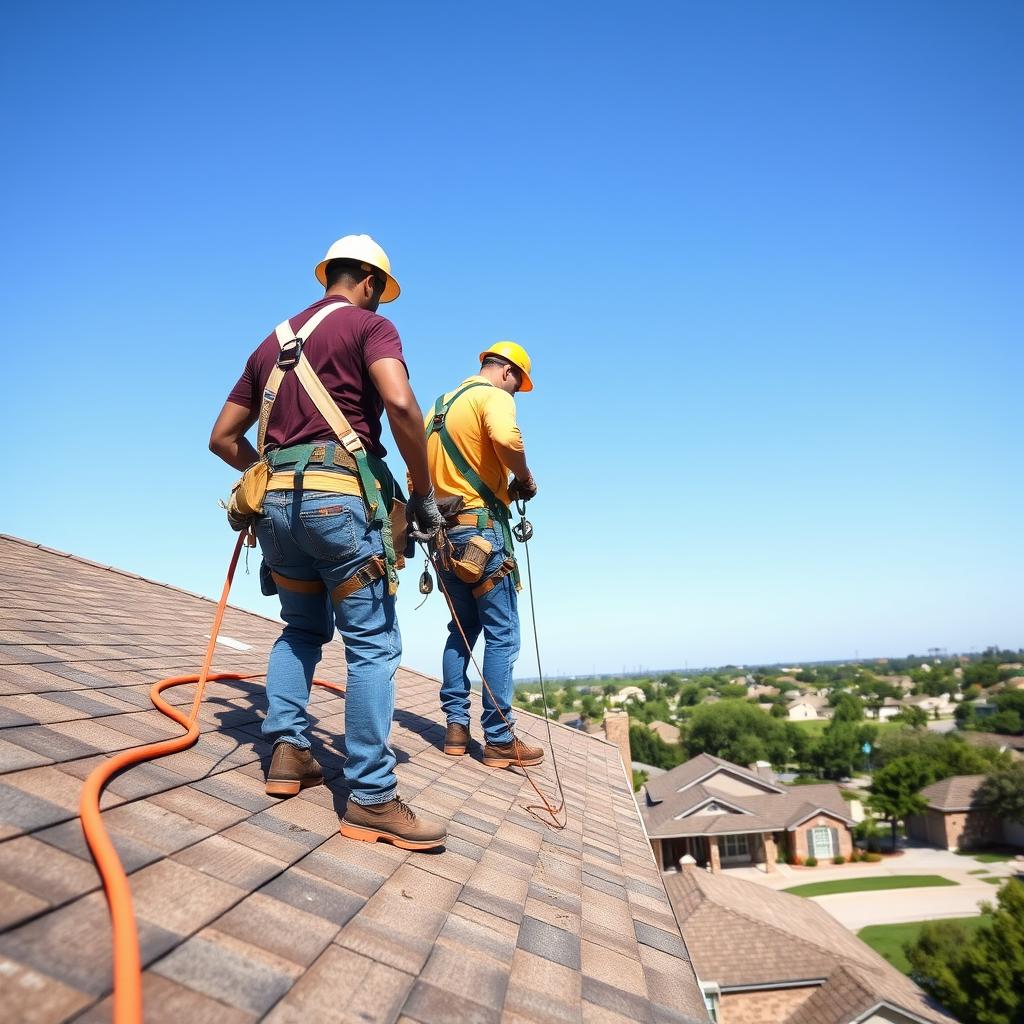
Roofing workers' compensation is among the most expensive and hardest to place of any Texas contractor trade. The reasons are straightforward: falls from rooftops are the leading cause of serious injury and death in construction, and the WC actuarial data reflects that reality through high class code rates.
But "expensive" doesn't mean "overpriced" — and "hard to place" doesn't mean "impossible." This guide covers how roofing WC works in Texas, what class codes apply, and how to find a program that accurately reflects what your roofing company actually does.
Why roofing WC rates are what they are
OSHA data consistently shows that falls are the leading cause of construction fatalities — and roofing puts workers at height on every job. The WC actuarial basis for roofing class code rates is decades of injury and death claim data from roofers across the country.
The standard roofing class code in Texas is 5551 (Roofing — all kinds). This is a unified code that captures most residential and commercial roofing work. The base rate for this code in Texas has historically run $18–$28 per $100 of payroll, depending on the market, but rates vary significantly between carriers.
Some carriers further distinguish between:
- Residential re-roofing (shingles, felt, underlayment on existing residential structures)
- Commercial roofing (flat roofs, modified bitumen, EPDM, TPO on commercial buildings)
- Metal roofing (standing seam, corrugated metal on agricultural and commercial structures)
- New construction roofing (installing the initial roof on new builds)
These distinctions matter. A carrier that writes primarily residential re-roofing may offer better rates for that work than a carrier whose roofing book is heavily commercial. We match your work type to the right market.
Texas roofing WC and subcontractors
One of the most common roofing WC problems in Texas involves subcontractors. If you hire roofing labor as 1099 subcontractors and those subs don't carry their own WC, your WC carrier may include their payroll in your audit — charging you premium on work your subs did.
To keep sub payroll out of your audit:
- Require each subcontractor to carry their own WC and provide a certificate at the start of each project
- Keep a record of those certificates with effective dates
- If a sub's coverage lapses mid-project, get a new certificate before they continue
Without this documentation, the auditor will assume uninsured sub workers are your covered employees and rate them accordingly — often a significant additional premium.
Prior claims and the experience modification rate
Your experience modification rate (EMR) — sometimes called the "mod" — compares your actual loss experience against what would be expected for a roofing employer of your size. An EMR above 1.0 means you've had more claims than expected; below 1.0 means fewer.
For Texas roofing contractors, the EMR multiplies your base premium. An EMR of 1.25 means you pay 25% more than the base rate. An EMR of 0.85 means you pay 15% less.
New roofing companies without prior claims typically start at an EMR of 1.0 until they have enough loss history to be experience-rated.
What to do when standard carriers decline roofing WC
Standard admitted carriers often decline to write Texas roofing WC for contractors who:
- Have had prior WC claims (especially serious injuries or fatalities)
- Have a high EMR (often 1.25 or higher)
- Are very small (minimal payroll makes minimum premiums problematic)
- Are newly in business without established safety programs
When standard carriers decline, the surplus lines (E&S) market is the path. E&S markets write risks that admitted carriers won't — at rates that reflect the risk, but still through A-rated carrier paper. We have E&S market access for Texas roofing contractors who've been declined or who can't find admitted coverage at workable rates.
Safety programs and their WC impact
A formal written safety program — even a basic one — can improve your placement options and, over time, improve your EMR. Key elements for roofing:
- Fall protection plan: Written procedures for tie-off, guardrails, and safety nets
- Toolbox talks: Weekly safety discussions, documented with attendance
- Incident reporting: A system for documenting every incident, even near-misses
- Equipment inspection: Regular inspection of ladders, scaffolding, and safety harnesses
Carriers often ask whether you have a written safety program when evaluating a new account. A "yes" with documentation improves your placement position.
Getting roofing WC quotes in Texas
We write roofing WC for Texas contractors in all 254 counties — residential, commercial, metal, and specialty roofing. Admitted and E&S market access. Correct class codes, fast certificates, and honest conversation about your rates.
Call 844-967-5247 or use our quote form. Tell us your trade type (residential, commercial, metal), your annual payroll estimate, your employee count, and your loss history. We'll come back with real options.
Need Texas workers' comp for your crew?
Get a real quote in about 15 minutes — correct class codes, A-rated carriers, statewide Texas.